
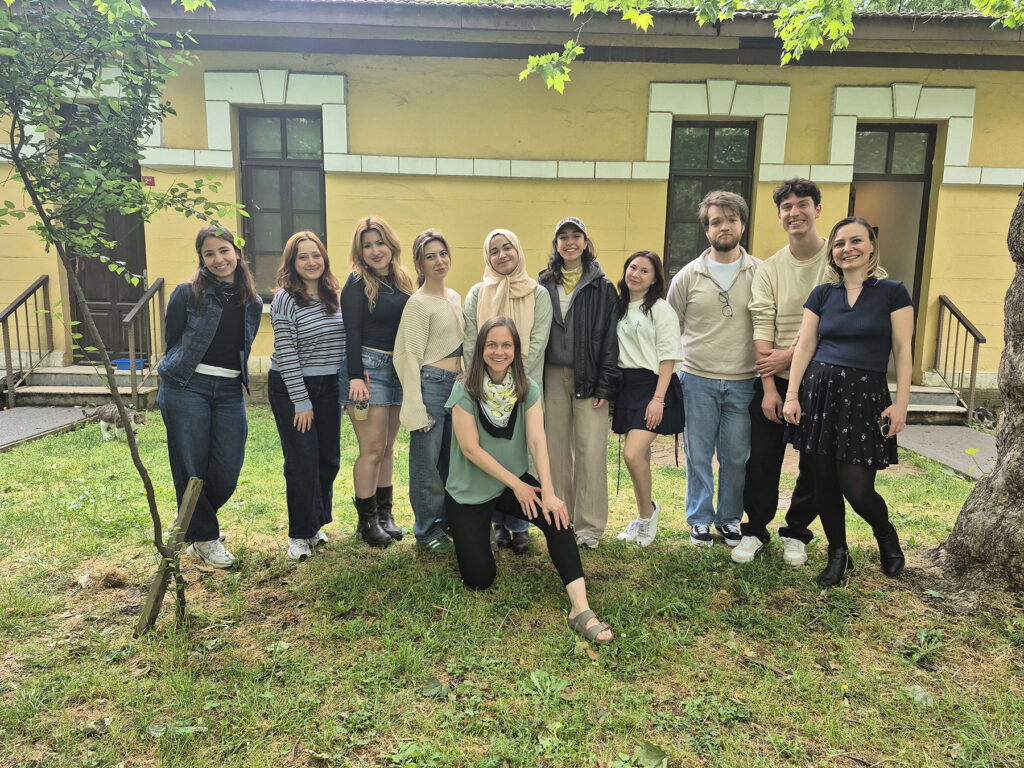
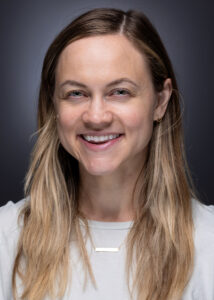

Maier is drawing on her experience this fall in a graduate-level course she is teaching that focuses on trauma and recovery. With her students, Maier plans to replicate research conducted by a Turkish colleague to examine how strength and resilience in the face of adversity are transmitted across generations. Students will interview their parents and grandparents, if applicable, to gather information on differences in how people identify their strengths.
Ultimately, Maier hopes the work leads to published research in conjunction with associate professor Yudum Söylemez, who leads the marriage and family therapy program at Istanbul Bilgi University, where Maier taught last spring.
Maier was one of about 800 American academics chosen to teach or conduct research overseas this year as part of Fulbright U.S. Scholar Program, which is funded by the U.S. State Department and the Fulbright Foreign Scholarship Board.
“It was hands down the best experience of my life,” said Maier, who explained her time in Türkiye profoundly influenced her both professionally and personally.
Between February and June, Maier lived and worked in Istanbul, the largest city in the country and one of the largest in the world. The metropolis of 15 million provided a sharp contrast to western Wisconsin, although despite the culture differences, Maier and her family found the people incredibly kind and welcoming.

“I really loved my family therapy students,” Maier said. “They reminded me of my students from Stout.”
Experience offers lessons in cultural context
Maier taught an undergraduate psychology course as well as a graduate course in children and family therapy. Working with the Turkish students gave her plenty of opportunity to reflect on how cultural context impacts the realm of therapy.
“Often I would say, ‘This is what the research shows and this research was done by Europeans or Americans. How would you say things are similar or different in a Turkish context?’” “And a lot of times students would say, ‘There are some similarities, but here’s how it would be different.’”
For example, she noted, Turkish families are frequently more hierarchical than their American counterparts. In addition, multigenerational households are more common, which means some clinical concepts, such as enmeshment—in which personal and emotional boundaries are blurred, leading to a loss of individuality—are perceived differently across borders. Turkish families have traditionally emphasized strong intergenerational relationships and family connectedness, while the influence of Westernization has changed family life to include more emphasis on individual independence.
Overall, the experience of recognizing familial differences inspired Maier to be more patient and reflective—something she hopes she can instill in future marriage and family therapists.
“I think this experience helped me to learn that it’s OK to step back and model that for students,” she said. “In our field, it is really important to slow down and to help clients, students, and supervisees sit with the unknown and the gray.”
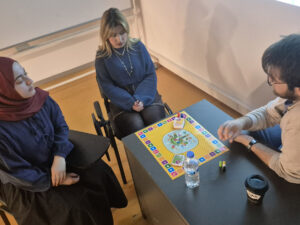
Maier’s Fulbright experience has had other lasting impacts. She is beginning to replicate research by Söylemez, her Turkish colleague, whose work on resiliency and trauma has focused on the impact of the February 2023 earthquake that killed an estimated 60,000 people in Türkiye and nearby Syria.

It was Maier’s previous collaboration with Söylemez—the two had co-authored an academic paper published in 2022—that she believes helped her Fulbright application stand out.
Shortly after returning to Wisconsin in June, Maier taught an online capstone course that included both American and Turkish students, which featured Zoom discussions about topics such as collectivist versus individualistic families.
“I hope to continue those connections with their students and our students through class if possible,” Maier said.
Other articles


The Abrupt Stop: The Hidden Grief of Losing an Athletic Identity
Being an athlete often becomes more than competition. For many athletes, sport provides identity, structure, belonging, relationships, and purpose. When an athletic role ends unexpectedly or without adequate preparation, individuals may experience grief, identity disruption, and changes within their relational systems.
Lilach Harris, MFT, and Jordan Sinness, BS

Love Isn’t Failing; Your Attachment System Is The Science Behind “Overreacting”
Couples don’t break up because they argue. They break up because they feel alone while arguing.
Carlota Azpiazu Osorio, MA

Finding Meaning in the Midst of Grief
Grief is a universal human experience, yet it rarely looks the same from one person to another. Although we often associate grief with the death of a loved one, loss can take many forms: the end of a relationship, a shift in identity, a dream that no longer feels possible, or a future that suddenly looks different from what we once imagined.
Melissa Benton-Hebert, MA