

Recent actions have affected DEI practices in higher education, with the February 14, 2025, Dear Colleague Letter (U.S. Department of Education, 2025) increasing scrutiny and causing uncertainty for programs focused on inclusion. Some departments face program threats, while others and institutions experience system-wide anxiety. The apparent goal is to prioritize certain groups’ rights and silence marginalized voices. Leaders are pressured into decisions about DEI initiatives; some, like Harvard, maintain their commitments despite harassment, while others in Texas and Florida have shut down programs due to federal and state pressures.
For Couple/Marriage and Family Therapy (C/MFT) programs, these sociopolitical shifts pose unique challenges as they prepare clinicians to engage competently with diverse populations within systemic and relational settings (AAMFT, 2021). Furthermore, they directly oppose the systemic principles of the profession, which demand an understanding of cultural context, power, and relational dynamics (AAMFT, 2021; COAMFTE, 2022). As systemic healers, we recognize the seriousness of unhealthy leadership and the neglect of any subsystem’s needs to be met with fairness. Leaders in C/MFT programs must be ready to advocate for their students’ training, ensuring the future strength of the field.

Positionality and systemic lens
The authors emphasize positionality as fundamental in systemic training. Our experiences reveal how social location, institutional context, and roles influence pedagogy, ethics, and curriculum decisions. Reflexivity aligns with systemic theory, which sees relational processes shaped by intersecting personal, institutional, and sociopolitical factors (AAMFT, 2021). Thus, considering positionality is key to ethical and pedagogical C/MFT education, especially during institutional and political conflicts.

In response to increasing criticism of DEI efforts in higher education, this article introduces the Three-Pillar Framework—a structure rooted in the profession—to support systemic, inclusive, and affirming C/MFT education. Made up of the AAMFT Code of Ethics, COAMFTE Standards, and AAMFT Position Statements, it provides a clear foundation for ethical practices aligned with core field commitments. We believe this framework helps programs stay true to their values while navigating pressures that threaten DEI practices, with implications for governance aimed at maintaining compliance, safeguarding systemic pedagogy, and preserving the integrity of anti-DEI climates.
The Three-Pillar Framework
To address pressure on higher administration, we propose a Three-Pillar Framework grounded in existing professional and accreditation structures. This framework gives academic programs a solid foundation for maintaining DEI-aligned, inclusive, affirming, and contextually relevant training practices, even in anti-DEI environments. Figure 1 shows a visual of the Framework.
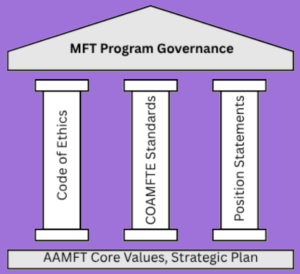
Figure 1. Three-Pillar Framework for Supporting C/MFT Program Governance
Foundation: AAMFT Strategic Plan and Core Values
The Three-Pillar Framework is based on AAMFT’s Strategic Plan and Core Values. The plan, valid through 2026, prioritizes strategic partnerships with mental health leaders and policymakers to foster a healthy, just, and equitable society (AAMFT, 2023, para. 2). One goal is to improve access to culturally competent, research-informed therapies through these partnerships (AAMFT, 2023, para. 3). The organization’s mission and values emphasize diversity, equity, and inclusion as core to the MFT profession, reflected in key values like diversity and inclusion for members, and excellence across practice, research, and education (AAMFT, 2023). These principles underpin AAMFT’s operations, including the Code of Ethics, COAMFTE, and Position Statements, all of which align with its commitment to diversity, equity, and inclusion throughout the profession.
 Pillar One: AAMFT Code of Ethics
The AAMFT Code of Ethics applies to all members, supervisors, and candidates, especially in COAMFTE-accredited programs where faculty are expected to be both members and Approved Supervisors. Established standards focus on nondiscrimination, competence, integrity, client welfare, supervision, and accurate representation, emphasizing gender-affirming care, LGBTQIA-affirming approaches, and cultural competence. These standards justify maintaining DEI content in training.
Key standards include 1.1, which prohibits discrimination based on race, age, ethnicity, disability, gender, sexual orientation, and more, establishing a foundational ethical obligation. Standard 3 emphasizes practicing within one’s competence and developing new skills to ethically serve diverse clients. Standard 4 stresses ensuring students and supervisees provide competent, professional services aligned with the Code and foster ongoing learning. Standard 9 pertains to accurately representing services and understanding systemic institutions at macro and micro levels. Recognizing ethical codes is one step; real-world situations are complex and sometimes conflicting. C/MFTs must navigate laws and ethics responsibly, making informed decisions to resolve conflicts.
 Pillar Two: COAMFTE Accreditation Standards
The Commission on Accreditation for Marriage and Family Therapy Education (COAMFTE) Standards is Pillar 2. Currently, we are operating under version 12.5 of the accreditation standards, which require programs to incorporate diversity, equity, and social context throughout the curriculum, training experiences, and program evaluation. The Outcome-Based Education (OBE) Framework explicitly identifies human diversity and social structures as core developmental competencies (COAMFTE, 2021). Additionally, programs must document student engagement with marginalized communities and ensure that coursework aligns with accreditation standards. These requirements establish DEI content as a fundamental part of accreditation and not subject to political discretion. We are again emphasizing standards that directly address the importance of diversity, equity, and inclusion in the education of C/MFTs.
First, Standard 1 emphasizes a program’s outcome-based education framework. Two key elements of this standard require programs to demonstrate how their goals and student learning outcomes align with the five Developmental Competency Components, including diversity. COAMFTE defines diversity as a program’s commitment to: a) represent multiple groups within the student body, program clinical supervisors, and faculty, both core and non-core, in terms of race, age, gender, ethnicity, sexual orientation, gender identity, socioeconomic status, disability, health status, religious or spiritual affiliation, nation of origin, or other relevant social categories; and b) prioritize diversity issues in all aspects of the training environment. Additionally, programs are expected to develop a plan to assess environmental supports and promote an inclusive and diverse learning environment.

Standard 3 focuses on the program’s curriculum, emphasizing key elements that offer educational opportunities to increase understanding of diverse communities. Each program must include a curriculum map showing how required courses align with the Developmental Competency Components, such as Human Diversity and Social Structures. For master’s programs, this includes courses on multicultural and underserved communities, professional identity, law, ethics, social responsibility, and current issues. Doctoral programs require courses on advanced clinical theory and practice, addressing diverse populations and contemporary challenges, including ethical dilemmas and multicultural issues. Additionally, programs must ensure students gain experience working with diverse, marginalized, and underserved groups, which COAMFTE defines as non-majority populations facing discrimination and underrepresentation based on race, age, gender, ethnicity, sexual orientation, socioeconomic status, disability, health, religion, nationality, immigration, or language.
Along with DEI concepts woven into accreditation standards, COAMFTE has shown its dedication to multicultural, antiracist education by releasing two statements about navigating accreditation during uncertain and challenging times (COAMFTE, n.d.a). Through these statements, COAMFTE clearly supports C/MFT programs in continuing DEI initiatives to ensure students are prepared to work with clients from diverse backgrounds and social structures (COAMFTE, n.d.b).
 Pillar Three: AAMFT Position Statements
AAMFT Position Statements provide an important professional framework for understanding inclusive practice as an extension of ethical competence rather than as a supplemental clinical stance. AAMFT’s statements on diversity, equity, and inclusivity, gender-affirming care, and the rejection of reparative/conversion therapy clarify how ethical obligations should be enacted in contemporary relational practice.
Taken together, these statements indicate that affirming, non-pathologizing care is not only preferable but also central to the profession’s understanding of responsible practice. Framed this way, inclusion is not simply a matter of therapist goodwill or broad multicultural awareness; instead, it is directly connected to the profession’s clear expectations regarding client dignity, harm reduction, and responsiveness to populations that have traditionally faced marginalization within mental health systems. The broader AAMFT ethics and governance materials also emphasize diversity, equity, inclusion, and excellence across clinical practice, supervision, research, education, and administration.
These position statements provide a profession-specific reason for training clinicians to be culturally attuned, ethical, and stigma-resistant. They advocate for educational and supervisory practices that promote critical examination of assumptions, avoid pathologizing differences, and support care for diverse identities and family structures. AAMFT Position Statements link ethics and practice, emphasizing that inclusive, affirming care is a professional and moral duty in marriage and family therapy. Consequently, they strengthen programs’ foundation for inclusive practice.
Application to program governance
The present discussion suggests that the Three-Pillar Framework has important implications not only for pedagogy, but also for the broader governance of C/MFT programs. In the current higher education climate, where DEI-related initiatives are increasingly contested, the framework may offer faculty and administrators a structured means of embedding inclusive and justice-oriented commitments across the formal architecture of program design. Its relevance extends beyond individual courses to core governance documents and processes, including mission statements, program goals, student learning outcomes, curriculum mapping, course materials, clinical training requirements, program policies, course descriptions, and syllabi.

For training, this integration helps ensure that inclusive and socioculturally responsive practice is treated as foundational to therapist development rather than as an ancillary topic. Embedding the pillars throughout curriculum and clinical preparation reinforces the expectation that future clinicians must be equipped to work ethically and competently with diverse individuals, couples, and families. Specifically, highlighting the need to train students on gender affirming care, the harm that reparative/conversion therapy can have on clients, and the nonpathologizing of the LGBTQIA+ community. This approach may also strengthen alignment between programs’ stated values and what students are taught, assessed on, and encouraged to demonstrate in their clinical formation. Importantly, the three pillars can be directly connected to the outcome-based framework for learning required by COAMFTE 12.5 (COAMFTE, 2022).
Integrating the pillars into official documentation communicates to students, faculty, university leadership, and accrediting bodies that ethical, inclusive, and systemically informed training is a central component of C/MFT education rather than an optional or peripheral concern.
For governance, the Three-Pillar Framework provides a clearer rationale for preserving DEI-related content within program structures by linking such content to the profession’s ethical, clinical, and accreditation commitments. Framing these elements within established professional standards may strengthen faculty and administrative efforts to justify inclusive training practices in politically and institutionally contested contexts. In this sense, the framework serves not only as a pedagogical model, but also as a governance strategy that can support accountability, transparency, and programmatic coherence. Integrating the pillars into official documentation communicates to students, faculty, university leadership, and accrediting bodies that ethical, inclusive, and systemically informed training is a central component of C/MFT education rather than an optional or peripheral concern (COAMFTE, 2022; AAMFT, 2015). An example of the Three-Pillar framework being implemented in a COAMFTE-accredited program can be found here.
Conclusion
In an era of intensifying political scrutiny and institutional constraint, C/MFT programs face urgent questions about how to preserve the core commitments of systemic, relational, and culturally responsive education. The Three-Pillar Framework offers a timely and defensible response by providing a structure through which programs can anchor decision-making in ethical mandates, accreditation standards, and professional position statements. Rather than retreating from DEI-related commitments under external pressure, this framework enables programs to demonstrate that inclusive training is inseparable from competent and ethical clinical preparation.
By embedding these pillars into governance, curriculum, and clinical training, programs may be better positioned to protect faculty, support trainees, and maintain accountability to the diverse communities the profession is called to serve. Ultimately, the value of the Three-Pillar Framework lies in its capacity to help C/MFT programs preserve the integrity of systemic therapy education while affirming that equity, justice, and relational responsibility remain central to the profession’s identity and future. Importantly, the Three-Pillar Framework can also be implemented in Group Practices, Community Mental Health, and other types of training programs as a foundation of inclusive work.

Dr. Mary Nedela is an Assistant Professor in the Marriage and Family Therapy Program at Connecticut State Colleges & Universities, a licensed marriage and family therapist in Connecticut and Michigan, and a Professional member of AAMFT holding the Clinical Fellow and Approved Supervisor designations. She received her master’s degree in child development and family studies with a specialization in marriage and family therapy from Purdue Calumet (now Purdue Northwest). She received her doctoral degree in human development with a specialization in marriage and family therapy from Virginia Tech. Dr. Nedela has taught several undergraduate and graduate courses in marriage and family therapy, human development, and psychology. Additionally, she has comprehensive clinical experience working in various clinical settings, including in-home programs, in-patient style settings, and outpatient settings. Dr. Nedela finds teaching and clinical supervision rewarding and seeks to bridge the gap between academic knowledge and clinical skills through experiential and self-of-the-therapist learning. She is particularly passionate about LGTBQ+ individuals and their relationships with family, friends, and partners. Additionally, she is driven to increase the quantity and quality of clinical services available to LGBTQ+ communities. Her specific research area of interest includes relational well-being among bi+ individuals and their partners.

M. Evan Thomas (he/him), PhD, LMFTS, is an AAMFT Professional member holding the Clinical Fellow and Approved Supervisor designations, and an Associate Professor of Marriage and Family Therapy, Department Chair, and MMFT Program Director at Converse University. His teaching and scholarship center on Appalachian mental health, substance misuse, and LGBTQIA+ affirming systemic practice. Dr. Thomas is also a clinical supervisor and owns a small private practice in Upstate South Carolina.

Deneisha Scott-Poe, PhD, LMFT, is an AAMFT Professional member holding the Clinical Fellow and Approved Supervisor designations, and an Assistant Professor and Clinic Director at Converse University. Dr. Scott-Poe received her Master’s degree from Appalachian State University and her PhD from Virginia Tech. She uses an intergenerational systemic approach in her clinical work, attuning to the ways that one’s lived experience shapes their worldview. Dr. Scott-Poe holds a certificate in Gerontology, and her research focuses on aging Black families, Alzheimer’s disease caregiving, and how clinicians can better work with older adults and their families.

Dr. Sarah Powers, EdD, LMFT, is a higher education leader, clinician, and educator specializing in student success, leadership development, and mental health in academic settings. She earned her Doctor of Education in Educational Leadership in Higher Education with a specialization in Student Affairs from Central Connecticut State University, along with a Master of Science in Marriage and Family Therapy from Central Connecticut State University and a Bachelor of Arts in Psychology from the University of Connecticut. Dr. Powers is a Licensed Marital and Family Therapist in the State of Connecticut and an AAMFT Professional member holding the Clinical Fellow and Approved Supervisor designations. Her professional work spans higher education, clinical leadership, and public health consulting, including roles as a psychotherapist at Wesleyan University, an adjunct professor in the Connecticut State Colleges and Universities system, and a consultant for the Connecticut Department of Public Health. Her research focuses on strengthening leadership competencies in high-stress environments through structured self-reflection, including the development of The Powers Practice, a framework designed to support effective leadership in complex organizational settings.
AAMFT. (2009). Reparative/Conversion therapy. American Association for Marriage and Family Therapy.
AAMFT. (2026). Code of ethics. American Association for Marriage and Family Therapy. https://www.aamft.org/AAMFT/Legal_Ethics/Code_of_Ethics.aspx
AAMFT. (2020). Diversity, equity, and inclusion statement. American Association for Marriage and Family Therapy. https://www.aamft.org/About_AAMFT/DI_Statement.aspx
AAMFT. (2023). AAMFT strategic plan 2021–2026. American Association for Marriage and Family Therapy.
AAMFT. (2024). Gender-affirming care statement. American Association for Marriage and Family Therapy.
COAMFTE. (n.d.a). COAMFTE statement: Navigating MFT accreditation during uncertain times. https://aamft.informz.net/informzdataservice/onlineversion/pub/bWFpbGluZ0luc3RhbmNlSWQ9MTE4OTczOTI=
COAMFTE. (n.d.b). COAMFTE statement on supporting programs in challenging times. https://aamft.informz.net/informzdataservice/onlineversion/pub/bWFpbGluZ0luc3RhbmNlSWQ9MTE5NTIyMTc=
COAMFTE. (2021). Accreditation standards version 12.5. Commission on Accreditation for Marriage and Family Therapy Education. chrome-extension://efaidnbmnnnibpcajpcglclefindmkaj/https://www.coamfte.org/Common/Uploaded%20files/COAMFTE/Accreditation%20Resources/COAMFTE%20Standards%20Version%2012.5%20-%20Published%20August%202021%20-%208.26.21%20(with%20links).pdf
U.S. Department of Education. (2025). Dear colleague letter on SFFA v. Harvard.
Other articles

Systemic World
When the Homeland Is on a Screen: How Geopolitical Trauma Affects Children in Diaspora Families
At dinner, a father’s hand pauses midair. His phone lights up with a video from a street he once walked as a teenager in Tehran. Smoke fills the frame. Someone is shouting. He leans closer without realizing his daughter is not watching the footage. She is watching his face. In the car after school, a mother lowers the volume on a Farsi news broadcast the moment her son opens the door. She asks about homework in a voice that is just slightly too bright.
Bahareh Sahebi, PsyD

Perspectives
Optimizing MFT Professional Socialization Development: Using the 4C Assessment Model in Supervision
Supervision is a crucial aspect of the development of competent, ethical marriage and family therapy (MFT) professionals providing quality client care in practice.
Tia Crooms, PhD

Perspectives
High-Conflict Communication in Blended Families: Helping Everyone Feel Heard Without Escalating Conflict
After a divorce or separation, clients can feel as though everything is a fight. It isn’t that they are high-conflict people. More often, they have developed a pattern of communication in which conflict is expected before the conversation even begins. Now add the complexities of a second relationship and additional children, and the dynamics of any household can become truly complicated.
Amanda D. Singer, JD